How “Kind Of,” “Maybe,” and “Probably” Erode Confidence
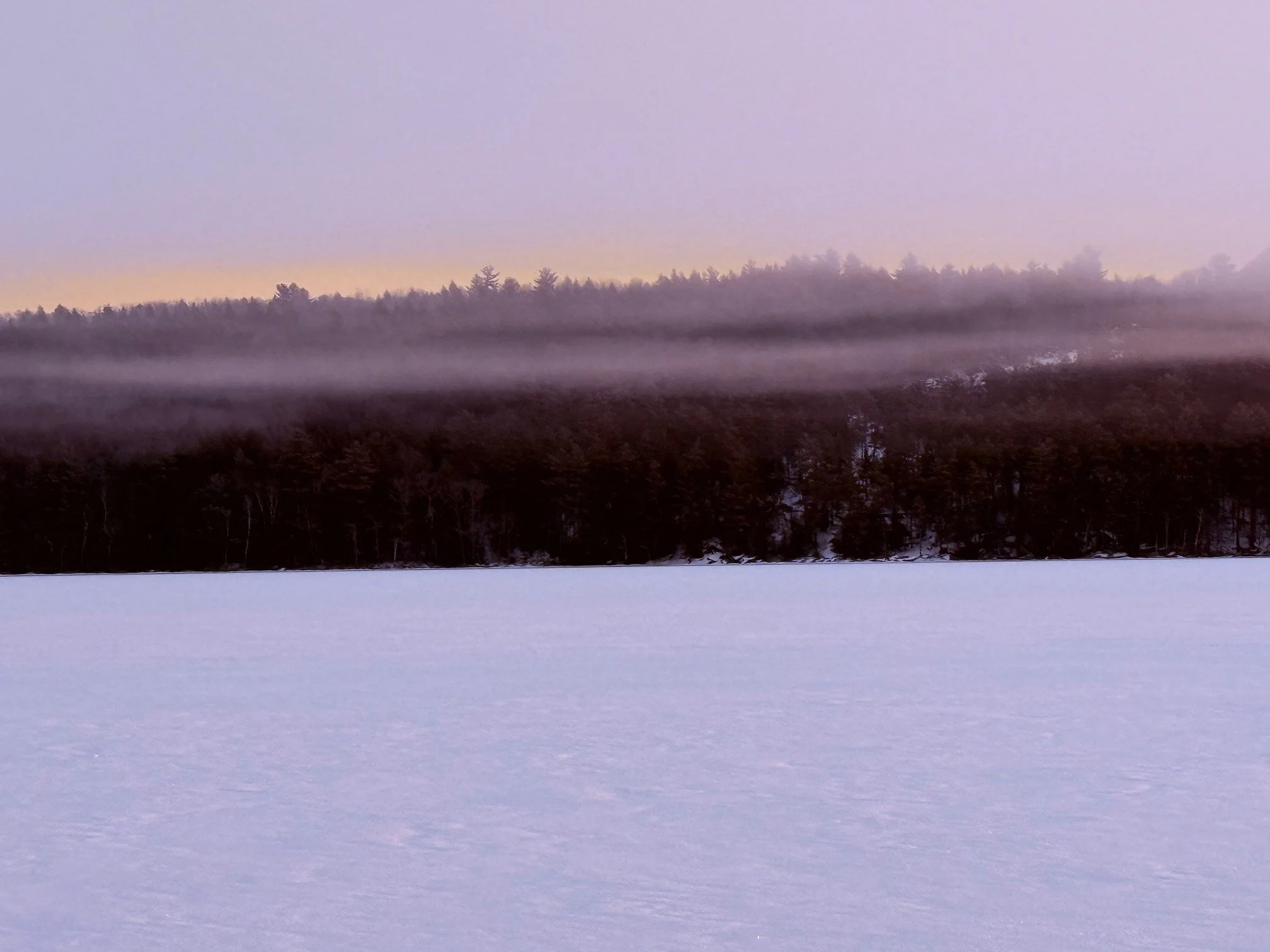
Frozen lake in winter with low morning fog drifting across a tree-lined shoreline under soft pastel sky. Photography by Charissa Simmons
There’s a subtle way confidence disappears in leadership. Not through mistakes. Not through disagreements. But through language that never quite lands.
Kind of.
Maybe.
Probably.
These words sound polite. Thoughtful. Careful. They feel non-threatening. Reasonable.
Over time, they quietly weaken trust.
Not because leaders must be certain all the time, but because people listen for conviction before they listen for content.
When leaders consistently hedge, teams start compensating. They read between the lines. They second-guess direction. They delay action, waiting for clarity that never fully arrives.
Language shapes the emotional environment. And environments shape behavior.
Hedging language signals three things, whether intended or not:
I’m not fully aligned with this decision.
This might change, so don’t commit too deeply.
I’m protecting myself from being wrong.
None of those creates safety. They create drift.
Clarity doesn’t require overconfidence. It requires ownership.
Strong leaders distinguish between uncertainty and indecision. They can say, “Here’s what we know. Here’s what we’re still learning. And here’s what we’re doing next.” That language steadies people, even when outcomes remain unknown.
What erodes confidence isn’t honesty about uncertainty. It’s ambiguity without anchoring.
Kind leadership is not soft leadership. It’s precise.
When leaders replace, maybe with here’s the current decision, people move. When it probably becomes this is our working direction, they align. When kind of becomes this matters, trust grows.
Confidence doesn’t come from sounding sure. It comes from being clear, especially when the path isn’t. And over time, clarity compounds
If this resonated, you may want to read this next → Language Shapes the Emotional Environment